
R&D
Identify the best targets, molecules, dosing strategies, trials and patient populations.

About Differentia
Drug development requires a series of high-stakes decisions—what to develop, how to develop it, where to invest, and ultimately how to treat each patient. Today, many of these decisions are still made through sequential experimentation, with increasing costs, time and uncertainty.
Our thesis is simple: Simulate first. Then test in the real world.
Differentia is building the decision intelligence infrastructure for life sciences—combining AI with mechanistic modeling to turn complex biological questions into testable virtual experiments.
Identify the best targets, molecules, dosing strategies, trials and patient populations.
Connect scientific evidence to asset prioritization, portfolio strategy, investment, licensing and M&A decisions.
Over time, extend mechanistic digital twins toward precision medicine and individualized treatment decisions.
As evidence accumulates across the lifecycle of an asset, the same underlying intelligence can inform more decisions—creating compounding value from R&D to capital to clinical care.
Why Differentia
 Human Mechanistic Digital Twins
Integrate multi-omics data into disease biology, drug action and patient response.
Not just prediction. Testable biological hypotheses. Decision-Ready AI
AI orchestrates virtual experiments to test scenarios and answer “what if?”
Virtual Experiments · Scenario Simulation Regulatory-Ready by Experience
Decades of expertise spanning global pharma, clinical development, biosimulation modeling and regulatory science.
Scientific rigor. FDA/EMA Aligned - Submission-ready evidence.Model the biology that matters.
Integrate multi-omics data into disease biology, drug action and patient response.
Not just prediction. Testable biological hypotheses.
Accelerate science without hiding the logic.
AI orchestrates virtual experiments to test scenarios and answer “what if?”
Virtual Experiments · Scenario Simulation
Built by Industry and Scientific Leaders
Decades of expertise spanning global pharma, clinical development, biosimulation modeling and regulatory science.
Scientific rigor. FDA/EMA Aligned - Submission-ready evidence.
Leadership

Co-Founder and Chief Executive Officer
AI, computational biology, and quantitative biosciences leader with a track record of building scientific platforms and pioneering simulation-driven drug development.

VP, Mechanistic Modeling
Computational immunologist and AI researcher specializing in systems biology, mathematical modeling, and complex disease mechanisms
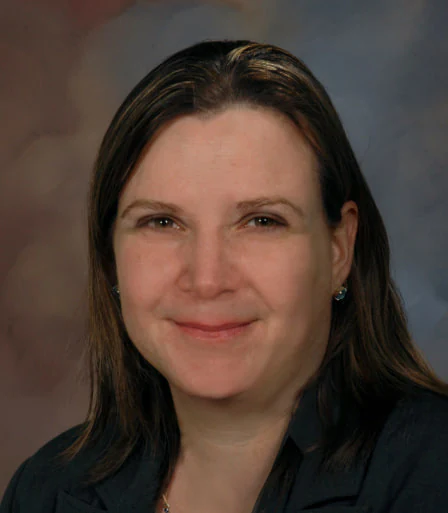
Chief Regulatory & Clinical Pharmacology Officer
Internationally recognized scientist combining regulatory sciences, clinical pharmacology, and AI-powered virtual clinical trials.
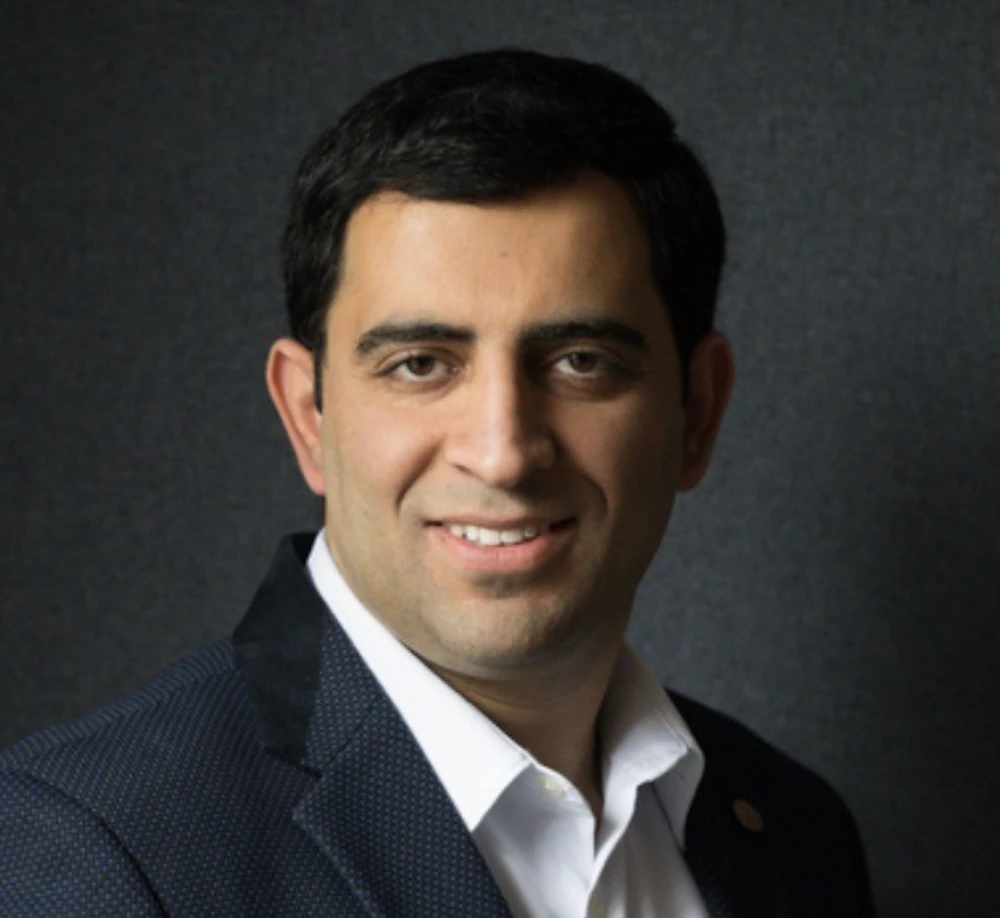
VP, Commercial
Computational biophysicist and pharmaceutical R&D leader bridging computational-driven research and global industry partnerships

Senior Director, Mechanistic Modeling
Computational scientist specializing in mechanistic AI, mathematical modeling, and systems pharmacology

Director, Scientific Affairs
Cancer biology and immunology scientist integrating multi-omics data, advanced computational methods, and translational disease research