
New Approach Methodologies
Reducing Animal Studies
The FDA encourages adoption of New Approach Methodologies (NAMs) including computational modeling to reduce and eventually replace animal studies in drug development. Partner with Differentia to leverage these innovations and benefit from FDA incentives.
FIH Prediction
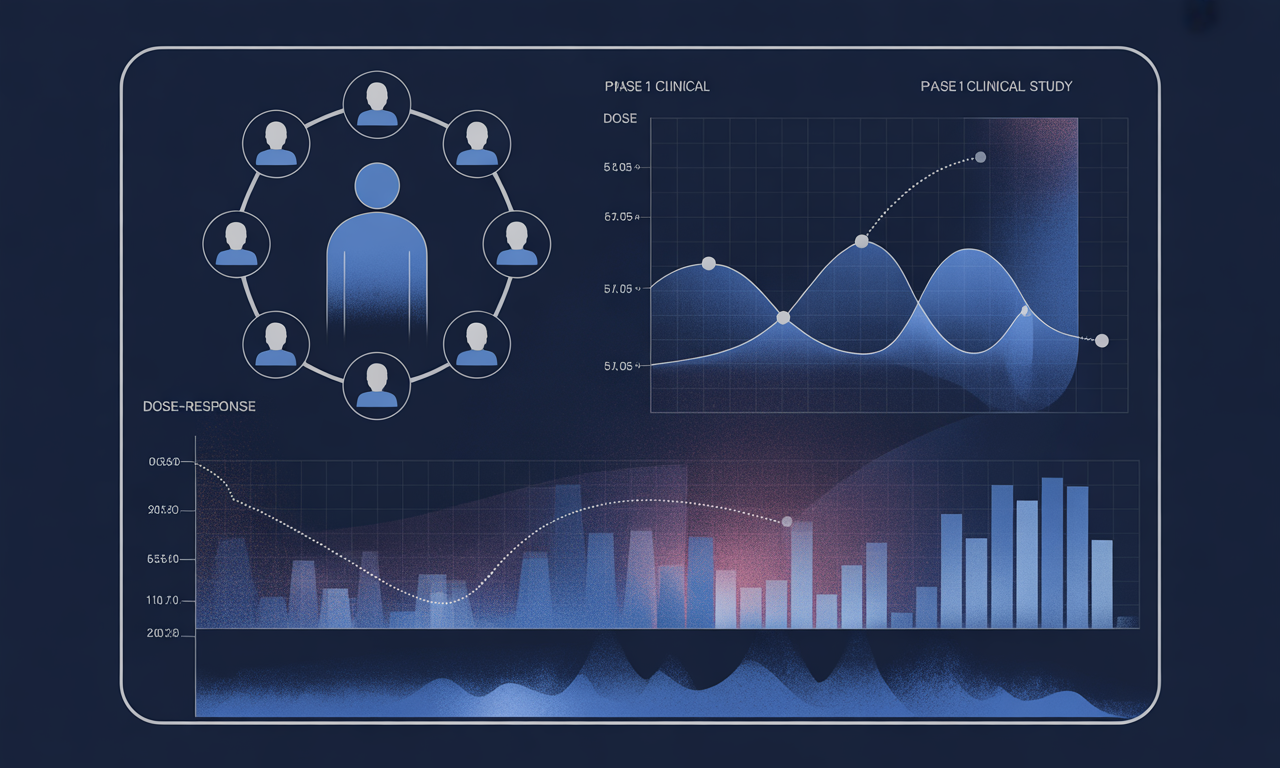
Predicting first-in-human dose using modeling and simulations
Mechanism of Action Analysis
Models based on human physiology enable a more accurate understanding of how the drug interacts with human biological targets to predict therapeutic effects and potential side effects.
Nonclinical Data Integration
Integration of diverse datasets including pharmacology profiles, pharmacokinetics (PK), and toxicology forms an integrated human-relevant dataset that enhances accuracy of first-in-human study predictions.
QSP Modeling
Mechanistic QSP models integrate human-relevant biology with drug-specific data to simulate first-in-human responses, reducing reliance on animal studies and improving prediction accuracy.
MABEL-Based Dosing
Maximum Allowable Biological Exposure Level (MABEL) calculations determine safe starting doses for biologics, reducing risk during first-in-human trials via a robust, human-specific methodology.
Efficacy Assessment Using Human Biological Networks
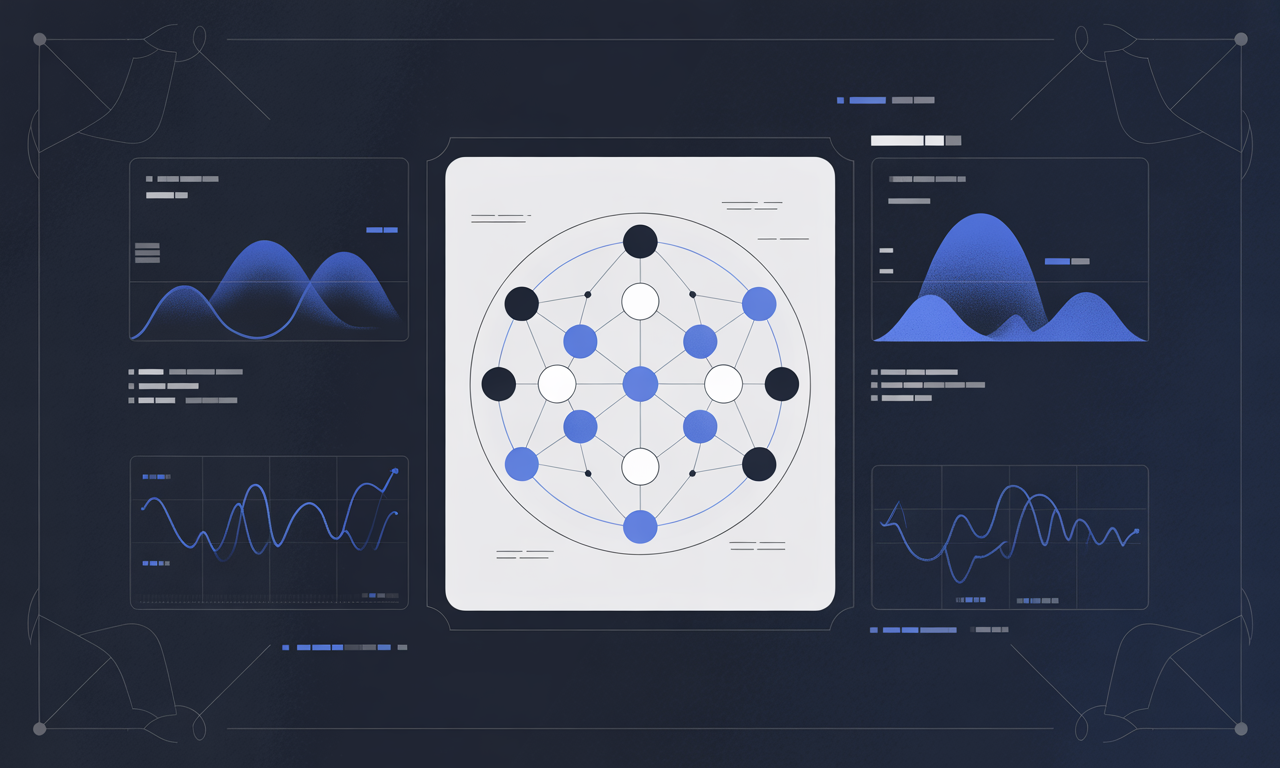
Modeling complex biological networks to predict drug efficacy
Individualized response
Patient-specific dosing strategies tailored to unique genetic and physiological factors, enabling personalized treatment plans that optimize therapeutic outcomes while minimizing side effects.
Disease Network Mapping
Detailed progression modeling of interconnected biological pathways and disease mechanisms, providing insights into how the disease evolves and responds to interventions over time.
Drug Mechanism Integration
Quantitative assessment across dosing regimens that integrates pharmacodynamic and pharmacokinetic data, supporting evidence-based optimization of drug efficacy and safety profiles.
QSP modeling leverages human-relevant data and literature to simulate complex biological responses, enabling efficacy assessment with limited animal testing. This approach supports the development of safer and more effective drugs while reducing reliance on traditional in vivo studies.
Toxicity Prediction: AI-Powered Safety
AI-powered safety predictions

Genomic Data Analysis
Leveraging large-scale genomic datasets to identify safety patterns and genetic markers associated with adverse reactions, enabling personalized risk assessment. This approach helps predict how different patient populations might respond to a compound, reducing unforeseen toxicities.
Immunogenicity Prediction
AI models that forecast potential immune responses to therapeutic agents, including hypersensitivity and autoimmune reactions. By simulating immune system interactions early, these models guide safer drug design and candidate selection.
Early-Stage Screening
Identifying compounds with favorable safety profiles using advanced machine learning algorithms that analyze chemical and biological properties. This proactive screening accelerates the drug discovery process by prioritizing candidates less likely to cause toxicity issues.
Failure Rate Reduction
Decreasing downstream failures through predictive analytics that integrate multi-omics data and prior toxicology knowledge. Such insights improve decision-making, minimize costly late-stage trial failures, and promote the development of safer therapeutics.
Get Started
Book a consultation
Connect with us to explore tailored strategies for navigating complex drug development challenges and accelerating the delivery of safe, effective therapies.